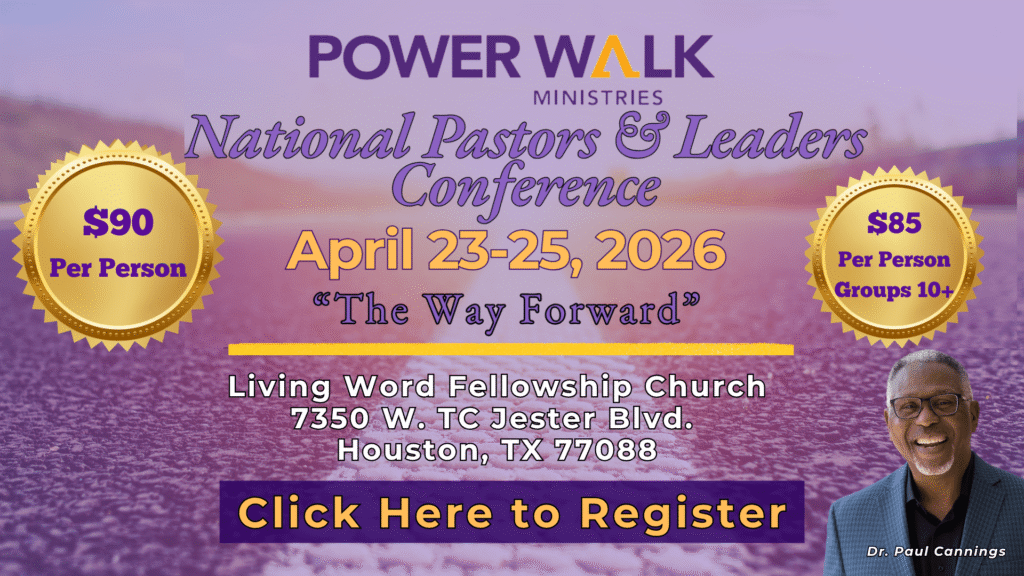

Chattanooga, TN – July 9 – 11, 2026
Back to Past Events Past Event

Back to Past Events Past Event

Our world has become hostile due to terrorism, the rise of racism, the inflammatory comments often stirred up on social media, and the deep partisanship that characterizes Washington. The principles of God seem to matter less and less when our feelings and personal rationing dominate our knee-jerk reactions. With the rise in social media, people can simply “unfollow” someone on Facebook, Instagram, or whatever social media platform they may be using. With caller ID, people can ignore a person’s call. Loyalty and commitment in relationships are no longer viewed as necessary, except perhaps during major floods or hurricanes or natural disasters. Unfortunately, rather than the church influencing a changing culture, the culture often appears to be influencing the church. Its impact has become so significant that when a person merely references Scripture during a conversation, others may become offended and want to “unfollow” as quickly as possible so they can remain within their own ideological circles (Eph. 4:17-24). Scripture makes it clear that how a person functions in relationships is directly representative of his or her commitment to God. Consider just a few passages: Matt. 22:36-40; John 13:34-35; 1 John 2:9-10, 3:16-24; 4:7-11. This is the very essence of Christ’s prayer for His disciples (John 17:20-26). One might think that Christ would have prayed for His disciples to become great evangelist, preachers, or teachers, but He did not. Instead, He prayed for their unity. One reason why relationships lack love and, therefore, loyalty is that we tend not to follow the biblical sequence of fact, faith and then feelings. Instead, we often reverse the order. We place feelings first because we place ourselves first (Phil. 2:1-5). Then our personal perspective becomes the “facts” of the matter (2 Tim. 2:14-26), and only afterward do we consider what God has to say. This is why, when our emotions get the best of us, Scripture instructs us to control their chief agent – the tongue (James 1:26; 19-21). Scriptures require us to seek facts first (Matt. 18:15-21). Even Christ, when dealing with Thomas, provided evidence before expecting belief (John 20:24-29). We are then instructed not to lean to our own understanding (Prov. 3:5-6), because human wisdom is foolishness to God (1 Cor. 2) and can even become demonic in nature (James 3:13-15). Only then can we appropriately speak for ourselves and respond to others (1 Peter 3:13-18). Whether things work out as we hoped or not, at least we brought the Holy Spirit to the situation, and where the Holy Spirit is present, there is hope for peace (Romans 15:1-7). Perhaps this is why scriptures teaches, “Whatever you do, work at it with all your heart, as working for the Lord, not for men, since you know that you will receive an inheritance from the Lord as a reward. It is the Lord Christ you are serving. Anyone who does wrong will be repaid for his wrong, and there is no favoritism.” (Col. 3:23-25, NIV) Fact, faith and then feelings (John 12:23-26). Our world has become hostile due to terrorism, the rise of racism, the inflammatory comments often stirred up on social media, and the deep partisanship that characterizes Washington. The principles of God seem to matter less and less when our feelings and personal rationing dominate our knee-jerk reactions. With the rise in social media, people can simply “unfollow” someone on Facebook, Instagram, or whatever social media platform they may be using. With caller ID, people can ignore a person’s call. Loyalty and commitment in relationships are no longer viewed as necessary, except perhaps during major floods or hurricanes or natural disasters. Unfortunately, rather than the church influencing a changing culture, the culture often appears to be influencing the church. Its impact has become so significant that when a person merely references Scripture during a conversation, others may become offended and want to “unfollow” as quickly as possible so they can remain within their own ideological circles (Eph. 4:17-24). Scripture makes it clear that how a person functions in relationships is directly representative of his or her commitment to God. Consider just a few passages: Matt. 22:36-40; John 13:34-35; 1 John 2:9-10, 3:16-24; 4:7-11. This is the very essence of Christ’s prayer for His disciples (John 17:20-26). One might think that Christ would have prayed for His disciples to become great evangelist, preachers, or teachers, but He did not. Instead, He prayed for their unity. One reason why relationships lack love and, therefore, loyalty is that we tend not to follow the biblical sequence of fact, faith and then feelings. Instead, we often reverse the order. We place feelings first because we place ourselves first (Phil. 2:1-5). Then our personal perspective becomes the “facts” of the matter (2 Tim. 2:14-26), and only afterward do we consider what God has to say. This is why, when our emotions get the best of us, Scripture instructs us to control their chief agent – the tongue (James 1:26; 19-21). Scriptures require us to seek facts first (Matt. 18:15-21). Even Christ, when dealing with Thomas, provided evidence before expecting belief (John 20:24-29). We are then instructed not to lean to our own understanding (Prov. 3:5-6), because human wisdom is foolishness to God (1 Cor. 2) and can even become demonic in nature (James 3:13-15). Only then can we appropriately speak for ourselves and respond to others (1 Peter 3:13-18). Whether things work out as we hoped or not, at least we brought the Holy Spirit to the situation, and where the Holy Spirit is present, there is hope for peace (Romans 15:1-7). Perhaps this is why scriptures teaches, “Whatever you do, work at it with all your heart, as working for the Lord, not for men, since you know that you will receive an inheritance from the Lord as a reward. It is the Lord Christ you are serving. Anyone who does wrong will be repaid for his wrong, and there is no favoritism.” (Col. 3:23-25, NIV) Fact, faith and then feelings (John 12:23-26). Our

A four-year-old girl, hugging a doll in each of her little arms, looked at her mother and said, “Mama, I love them and love them and love them, but they never love me back.” One of the most difficult realities about love is that loving someone never guarantees being loved in return. This is because genuine love involves giving, and giving or sharing is the very essence of love. A story is told about a young man who was determined to win the affection of a woman who had refused to even speak to him. Convinced that the way to her heart was through the mail, he began writing her love letters. He wrote one every day. Six or seven times a week she received a letter from him. When she did not respond, he increased his efforts and began sending three notes every twenty-four hours. In all, he wrote more than seven hundred love letters. Ironically, because of all the letters being delivered, the woman eventually married the postman. Loving someone is easier when love is reciprocated and the giving is shared. However, even mutual affection does not fully demonstrate the true nature of Biblical love. The Bible teaches that God is love (1 John 4:7–8). Notice that Scripture does not say that love is God; rather, God defines what love truly is. The nature of God determines the nature of love. The Bible also teaches that “no man seeks God not even one” (Romans 3:11). Therefore, it is only because God first loved us (John 3:16) that mankind can respond to Him and learn to love others. This is why obedience to God is so important in the life of a believer. As we obey Him, our nature is transformed (Romans 12:2; Galatians 2:20), and the fruit of that transformation becomes evident in our lives (Galatians 5:22–23). One of those fruits is love. This is how we know whether a person is truly saved and a genuine disciple of Christ—by the fruit they bear (John 13:34–35). Jesus taught: “You will know them by their fruits. Grapes are not gathered from thorn bushes nor figs from thistles, are they? So every good tree bears good fruit, but the bad tree bears bad fruit. A good tree cannot produce bad fruit, nor can a bad tree produce good fruit. Every tree that does not bear good fruit is cut down and thrown into the fire. So then, you will know them by their fruits.” (Matthew 7:16–20, NASU) Many people can demonstrate certain characteristics of love, but not everyone can consistently display love as a way of life. For example, a person may be kind but not forgiving. They may treat others well as long as they are not offended or hurt. Their love depends upon being loved in return. Consequently, their love eventually fails. Biblical love is different because it flows from God’s nature. Love “bears all things, believes all things, hopes all things, endures all things. Love never fails” (1 Corinthians 13:7–8). Such love is not sustained by circumstances or by the response of others. It is sustained by the character of God Himself. Therefore, the nature of love is determined by the nature of God (Matthew 22:36–40; 1 John 4:7–14). The closer we grow to Him, the more His love becomes evident in our lives, enabling us to love others not merely because they love us, but because His love has first transformed us.

On April 6, 2000, Ricky and Toni Sexton were taken hostage in their home in Wytheville, Virginia, by a fugitive couple on a violent crime spree. Toni had taken her poodle outside when Dennis Lewis, 37, and Angela Tanner, 20, sped into her driveway, pointed pistols at her, and ordered her back into the house. Yet, inside that home, the Sextons transformed their terrifying hostage situation into an opportunity to display Christian love. Rather than responding with hatred or fear alone, the Sextons listened to their captors’ struggles, fed them, showed them gospel videos, read Scripture to them, and prayed and wept with them. During negotiations with law enforcement, Ricky Sexton even refused his own release when Lewis and Tanner suggested they might end the standoff by taking their own lives. The standoff ended in an unusual way. Before surrendering to the police, Angela Tanner left the Sextons $135 and a handwritten note that read: “Thank you for your hospitality. We really appreciate it. I hope he gets better. Wish all luck & love. Please accept this. It really is all we have to offer. Love, Angela and Dennis.” (Illustrations for Every Topic and Occasion – Perfect Illustrations: For Every Topic and Occasion.) This kind of love reflects God’s redemptive story toward mankind. Even if, by worldly standards, we considered ourselves “good people” before salvation, God declares that our righteousness is like filthy rags (Isaiah 64:6). Scripture teaches that we did not seek after Him (Romans 3:11), that we were born in sin (Psalm 51:5), and that, apart from Christ, we were without hope and separated from the promises of God (Ephesians 2:12). We were destined for eternal judgment. Yet, despite our condition, God demonstrated extraordinary love: “For God so loved the world, that He gave His only begotten Son, that whoever believes in Him shall not perish, but have eternal life” (John 3:16). This is why the Bible says, “Beloved, let us love one another, for love is from God; and everyone who loves is born of God and knows God. The one who does not love does not know God, for God is love.” (1 John 4:7–8, NASU) It is this kind of love that transforms both the person receiving it and the person sharing it. F. W. Farrar recounts how, when Dwight L. Moody was an ignorant, ragged, shoeless boy walking the streets of Chicago, he found his way into a Sunday school through one of those unseen providences’ people often call chance. He was shy, sensitive, and nervous that the other boys would laugh at him because he could not locate passages in the Bible. His teacher noticed his embarrassment and, with quiet gentleness and thoughtful tact, spared him humiliation by helping him find the Scriptures. That small, nameless act of love and compassion may have changed history. Without it, a life of extraordinary ministry and service might have been lost to the world. Dwight L. Moody went on to become a widely known preacher and founded Moody Bible Institute, a ministry that continues to impact people around the world. Love may seem like a small act that leaves a person vulnerable, but when directed by God, it becomes a force powerful enough to change lives and influence the world. True love never fails (1 Corinthians 13:4–8).

The scientific community states that people make approximately 35,000 decisions daily. This means individuals are constantly processing information or instinctively determining what to do. Making decisions instinctively often reflects our feelings, personal reasoning, or speculations based on what we have encountered. Either way, these decisions determine each person’s course of action. Because of the significance of these decisions, 2 Corinthians 10:5 reads: “We are destroying speculations and every lofty thing raised up against the knowledge of God, and we are taking every thought captive to the obedience of Christ, …., whenever your obedience is complete.” (NASU) Furthermore, Paul warns Timothy: “But refuse foolish and ignorant speculations, knowing that they produce quarrels… if perhaps God may grant them repentance leading to the knowledge of the truth, and they may come to their senses and escape from the snare of the devil, having been held captive by him to do his will.” (2 Tim. 2:23- 26; NASU) Making decisions based solely on our own understanding is prohibited by God (Prov. 3:5). If we persist in doing so, Ephesians 4:17-20 teaches that we become darkened in our understanding, no longer moved by the Holy Spirit (excluded from the life of God, vs. 18), ignorant, hard hearted, calloused, while practicing various forms of impurity and greed. Therefore, when we speculate apart from God’s truth, Satan can influence our thinking. Leaning on our own understanding can deteriorate our spiritual development and lead us toward carnality (1 Cor. 3:1-3). A sound decision-making process requires knowledge; therefore, it is essential that we begin by renewing our minds (Romans 12:2). Paul prayed: “And this I pray, that your love may abound still more and more in real knowledge and all discernment, so that you may approve the things that are excellent, in order to be sincere and blameless until the day of Christ.” (Phil. 1:9-10; NASU) Making a decisive decision to determinatively transform ones’ mind to the teachings of Christ takes place when a believer (Luke 6:45) seeks the Lord with all their hearts (Luke 12:31), with a commitment to obey His Word (Hebr. 5:14). Our obedience matures us not to just comprehend the scriptures but also inspires us to be discerning (Phil. 1:9-11). This provides guaranteed success because God’s Word does not return void (Isa. 55:11. As we walk by faith (Rom. 10:17), we experience blessings on earth (Hebr. 11:6) and eternal reward in heaven (2 Tim. 4:7-8). This biblical decision-making process protects us from making mistakes (2 Peter. 3, 9-11), guides us to walk in the light as He is in the light (Ps. 119:105; Eph. 5:8), and empowers us not to be defeated by Satan (Eph. 6:17; Hebr. 4:12; 1 John 2:14) or overwhelmed by life’s circumstances (Phil. 4:8-9). In this way, this keeps us sober-minded no matter what impacts our lives (1 Peter 5:8).

Many times when I read the Book of Psalm, I am amazed at how a man whom God granted amazing supernatural accomplishments, including a significant accumulation of wealth, power, and domination of the known world, can have so much pain. Here are some examples: “Why are you in despair, O my soul? And why have you become disturbed within me? O my God, my soul is in despair within me; …” (Ps. 42:5-6; NASU) “Hear the voice of my supplications when I cry to You for help, When I lift up my hands toward Your holy sanctuary. ” (Ps. 28:2-3; NASU) “I cry aloud with my voice to the Lord; I make supplication with my voice to the Lord. I pour out my complaint before Him; I declare my trouble before Him. When my spirit was overwhelmed within me, ….” (Ps. 142:1-3; NASU) When I read the Book of Psalms, I notice several recurring themes and phrases: “trust in the Lord,” “hope in the Lord,” “the Lord is my refuge, my fortress, my present help, my rock, my strength; my soul trusts in Him” (Ps. 18:2, 62:7-8; 91:2). Of course, there is also the beloved affirmation of Psalm 23: “The Lord is my shepherd.” All of his experiences so deepened his relationship and reliance on God; God was not simply a shepherd in an abstract sense; He became David’s personal Shepherd—”my Shepherd.” Paul often spoke openly about his pain and suffering. In fact, he was forewarned that his ministry would involve hardship (Acts 9:16). For example, he wrote: “We are afflicted in every way, but not crushed; perplexed, but not despairing; persecuted, but not forsaken; struck down, but not destroyed; always carrying about in the body the dying of Jesus, so that the life of Jesus also may be manifested in our body” (2 Cor. 4:8-10; 2 Cor. 11:21-29; NASU). After reviewing many of these scriptures, I reflected on how someone like Paul, under house arrest with Jewish leaders’ intent on having him executed and facing the possibility of imminent death (Phil. 1:21), could write such words: “Rejoice in the Lord always; again I will say, rejoice! … The Lord is near. Be anxious for nothing, but in everything by prayer and supplication with thanksgiving let your requests be made known to God. And the peace of God, which surpasses all comprehension, will guard your hearts and your minds in Christ Jesus.” (Phil. 4:4-9; NASU) Even Christ, in the Garden of Gethsemane, experienced agony, “to the point of death” (Matthew 26:36-46), yet He placed His trust in God’s will. This trust did not remove His pain – in fact, it only increased. Nevertheless, Christ was determined to trust God’s Word and the promise of resurrection, not matter what. No matter how deep their pain, those who persevered became fully surrendered to God, so that all that mattered was Christ and Christ alone. This was their victory (Romans 8:37-39) – not whether their outward circumstances were resolved (John 12:23-26; Hebrews 11-12:3).
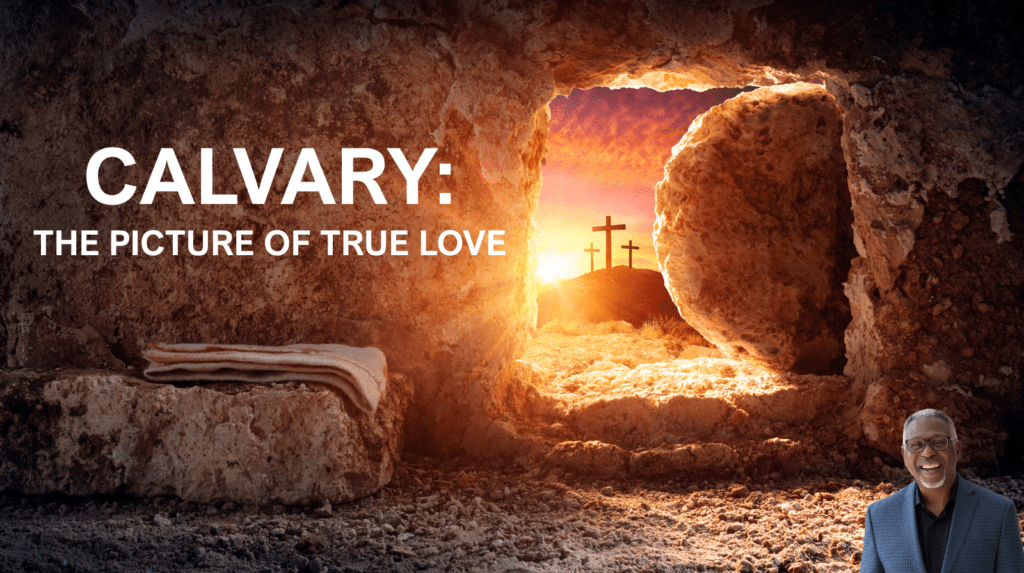
People are quick to say, “I love you,” especially teenagers. What this frequently means is the person makes them feel good. But feelings alone cannot sustain a relationship, because true love is not self-centered, it is selfless. (1 Cor. 13:5). Scripture teaches that love “bears all things, believes all things, hopes all things, endures all things,” (1 Cor. 13:7) this is why “love NEVER fails.” (1 Cor. 13:8) Christ models this, “For I am convinced that neither death, nor life, nor angels, nor principalities, nor things present, nor things to come, nor powers, nor height, nor depth, nor any other created thing, will be able to separate us from the love of God, which is in Christ Jesus our Lord.” (Rom. 8:38-39; NASU) The word for love in the scriptures is the word “charity.” Charity means loving someone in a way that seeks what is best for them and remaining selflessly committed until they have achieved their goals. For example, many parents who truly love their children model this kind of charity. Parents constantly sacrifice their time, energy, and ambitions to give their children the best, even when those children can be unappreciative and even disrespectful. Despite this, charity continues to serve others selflessly, always seeking their best. Here is the issue, though: the only person who can provide this kind of love is God because only God is love (1 John 4:8). So even if a person desires to love someone based on how true love is defined and sustained, they cannot do so without God. To empower us with this love, Christ came and loved us first (1 John 4:19; selfless). He demonstrated true love when He found us lost in sin and shaped in iniquity (Ps. 51:5; Rom. 5:8), having no desire for Himself (Romans 3:9-11). This lack of love was totally exposed by all those who caused Him to be nailed to the cross. These temple-goers knew what the Bible said and who He is (John 5:39-40) yet still hated Him. This helps us see that we can be in the church and memorize the scriptures yet still reject His love and therefore struggle to love each other for a long, endless period of time. In order for us to love each other unconditionally, Christ teaches that we must first be committed to obeying Him (Matt. 22:36-40). Through this obedience, we experience the inner work of the Holy Spirit (1 John 2:3-6), whom we can truly encounter (Hebrews 5:14; 6:4-5). When believers love God first through obedience, they are enabled to love even their enemies as God defines love (Romans 12:9-20). “The one who does not love does not know God, for God is love.” (1 John 4:7-8). This is why our journey begins and ends with ‘Christ Alone.’ His love endures forever (Jeremiah 31:3). Calvary is the vivid portrayal of selfless love (John 3:16). Happy Resurrection Day!!

There are many things that God decided to do that Scripture explains which I findincredible. Yet none compare with His decision in the beginning recorded in Genesis. Itis remarkable that the first institution God established was the family. From the family,everything else would be developed on the earth. Direction, responsibility, and influencewould all flow from the family as mankind carried out God’s mandate to rule over everyliving creature.Everything God established was designed to sustain the family. From creation to theRapture, God’s plan is built around the family. His creation of male and female led to theunion of husband and wife, and from that union came children. As families grew, clansand tribes were formed. From these tribes came cities, nations, and ultimately the worldas we know it today.It was through the family of Abraham and Sarah that God promised to bless the entireearth (Genesis 12:1–3; 18:18–19). The importance of family is also seen in thequalifications for leadership in the church, where a person must demonstrate the abilityto manage his household well (1 Timothy 3:4–5). This is because the relationshipbetween husband and wife reflects the foundational principles of how the churchfunctions (Ephesians 5:32).For those who are single, God provides the church as a surrogate family, wherebelievers grow together in fellowship, support, and spiritual maturity (Acts 2:42–47;Ephesians 3:14–15; 4:12–16).A father’s God-directed role toward his children reveals important principles about howGod relates to His own children (Luke 11:11–13; Hebrews 12:9–10). As a father lovinglyprovides, guides, and disciplines his children, he reflects the character and care of ourHeavenly Father. A man who fears God and faithfully serves his family positions himselfto receive God’s blessings, both in his home and through the life of the church.Scripture teaches that the man who walks in the fear of the Lord will experienceblessings in his family and even the favor of a long and fruitful life (Psalm 128).Family is therefore central to all that God does. Even thousands of years later, mankindstill recognizes the family as one of the most important foundations of life. Today wehave confused family with many other things and have made it an option rather than asignificant and essential part of our lives.A cute little girl was sitting on top of a pile of luggage in a hotel lobby while her parentswere at the desk registering for their room. A sympathetic lady asked the little girl if theywere visiting relatives in the city.“Oh, no,” the girl replied. “We’re going to live at this hotel until we find a house. MyDaddy has a new job, and we had to sell our house and move.” The lady responded kindly, “Oh, it’s too bad you don’t have a home.”The little girl quickly replied, “Oh, we have a home—it’s just that we don’t have a houseto put it in.”This little girl understood something that many adults miss: a house is not the same asa home, and a home is built by a family.God understood the importance of family when He chose Abraham. The Lord was notonly concerned with Abraham’s personal faith, but also with how Abraham would leadhis household. Scripture says:“The LORD said, ‘Shall I hide from Abraham what I am about to do, since Abraham willsurely become a great and mighty nation, and in him all the nations of the earth will beblessed? For I have chosen him, so that he may command his children and hishousehold after him to keep the way of the LORD by doing righteousness and justice,so that the LORD may bring upon Abraham what He has spoken about him.’”(Genesis 18:17–19, NASU)God chose Abraham not simply to start a nation, but to lead a family that would walk inthe ways of the Lord. The strength of the nation would grow out of the strength of thefamily.
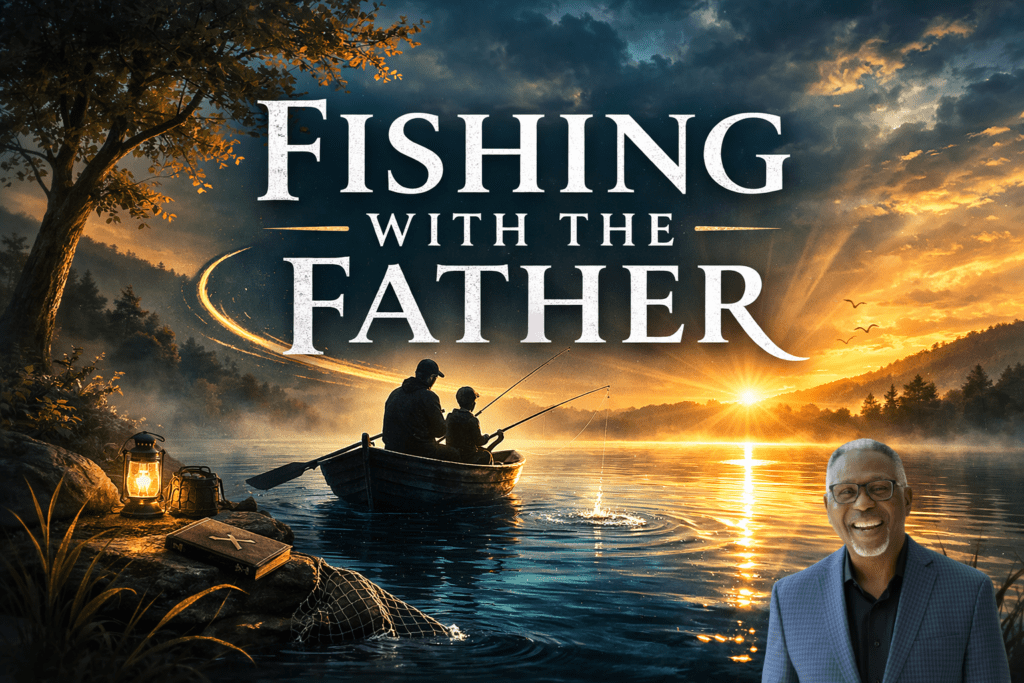
The little boy may have enjoyed catching fish — but what made the day unforgettable was being with his grandfather. The lake, the boat, the rods, the bait — none of it belonged to him. The wisdom, direction, and provision all flowed from his grandfather. Yet the boy’s greatest delight was not the fish; it was the fellowship. His request to cook and eat together reveals what truly mattered: shared experience. That is the deeper question for us. Each day we “go out” with God. We step into responsibilities, meetings, deadlines, conversations, and decisions. But is our focus on productivity — or presence? Are we more excited about what we accomplish, or about walking with Him while accomplishing it? Like the boy: We did not choose the “lake” of our circumstances. We do not own the “boat” of our resources. We rely on the Father’s instruction for effectiveness. Our success is rooted in His provision. Yet how often do we treat God as an assistant rather than a Father? Sometimes we ask Him to bless our plans instead of seeking to join His. Psalms 34:1–7 reminds us that the greatest blessing is not the removal of difficulty but the nearness of the Lord. “O magnify the LORD with me…” Notice the invitation — with me. Relationship. Fellowship. Shared joy. Jesus promised that the Father would not leave us alone. In John 14:16–30, He assures us of the Helper — the Holy Spirit — who teaches, guides, and comforts. And 2 Peter 1:1–11 reminds us that everything we need for life and godliness has already been granted through knowing Him. The boy’s day was great because he shared his grandfather’s day. Our lives become spiritually rich when we share the Father’s day. So the real question is not: “God, will You help me catch fish today?” But rather: “Father, can I go fishing with You?” We have a great Father. Walk with Him. Ask questions. Listen closely. Enjoy His presence. The greatest catch of the day will always be deeper fellowship with Him.